CorkSport Invades Texas

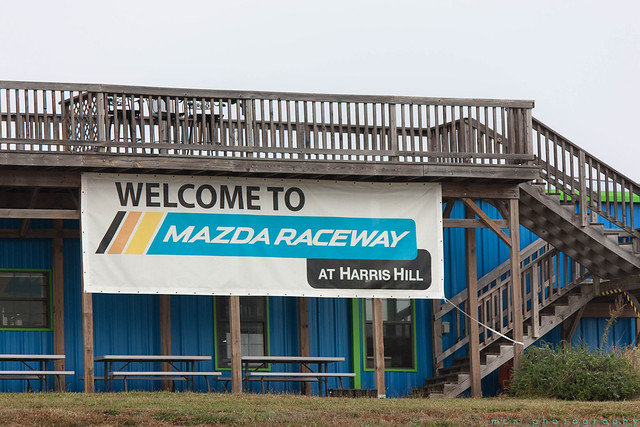
Donโ€™t get me wrong, I love the Northwest and there are definitely some advantages to CorkSport being located here, but the long distances from so many of our customers is not one of them. That is why CorkSport decided to take an event on the road and host one in San Marcos, Texas last Saturday.
CS_6766

We often attend events that have been organized by other members of the community like OCC, EECMM, Mazfest and the like, but this was a first for us organizing and hosting an event away from the Northwest.

CS_6993

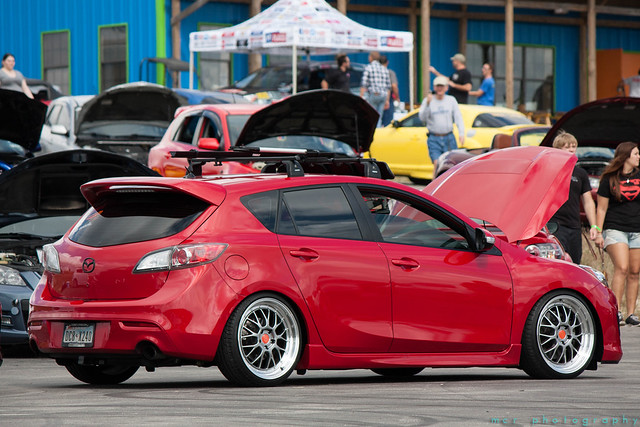
Thanks in no small part to the help provided by our sponsored driver, Matt Kellogg and his group, The Texas Mazda Speed Demons, Dave Johnson at Roger Beasley Mazda and of course the Philipp and his fantastic team at Harris Hill Raceway, the first ever CorkSport and Mazda Speed Demons Texas Showdown Track Day went off without a hitch, we had a great turnout, and everyone had a great time (or at least thatโ€™s the word I have been hearing on the street).
CS_6956

It started off a rather foggy day in San Marcos so we had to push the track start time a little, but by 10:30 it was blazing hot. Mind you, I speak coming from the 40-50 degree weather in the northwest this time of year. In reality, it was a temperate 80 degree day in Texas!
CS_6808

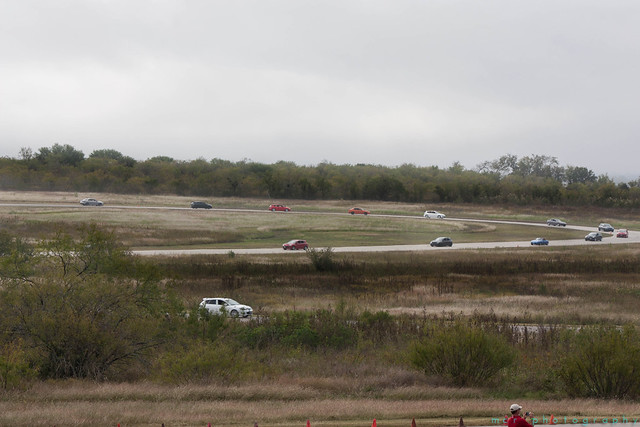
We opened the track with a lead/follow on the 1.8 mile course located about 30 min outside of Austin and then continued with open track time for most of the afternoon. For the first three quarters of the day it was a Mazdas only event pitting Mazda against Mazda on the race track. By the afternoon, we allowed some non-Mazdas to participate as well.

EMS powered brought out their portable covered dyno to offer up dyno pulls for anyone interested in participating and there were plenty of Mazdas on hand to show off their rides.
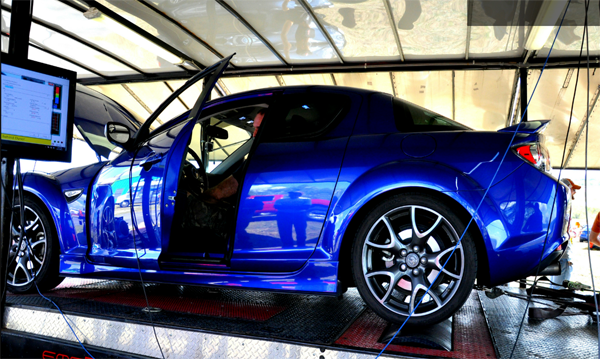
Aside from Richards misfortune in his RX-8, whoโ€™s control arm broke on the track (as it turns out a recall issue) there were no serious off-roading experiences. Derrick even got out and took a few laps in a Roger Beasley’s Mazda 2 at the end of the day. I finally even went out (as a passenger) for a couple lapsโ€ฆI can see how that might get addicting. Felt a lot like a roller coaster ride!
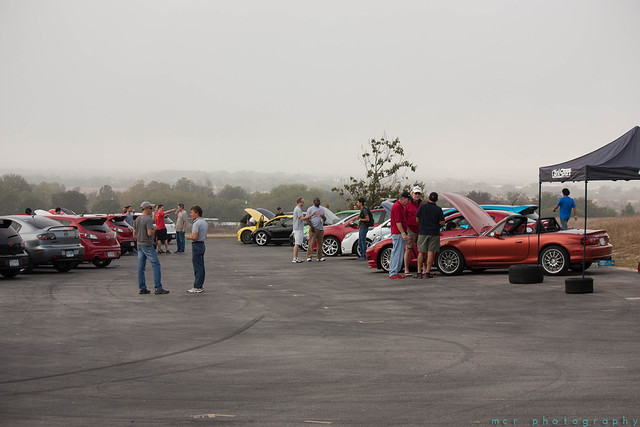
CS_6765

It was great to get to spend time with our customers in the great state of Texas and finally put some faces to names! A big thank you goes to everyone who pitched in to help on Saturday, Matt (teamxtaci) , Steve v1 (kritz), Bobby, Steve v3 (swsmailman), and the team at Harris Hill!

Gwynne-

Thanks to Mario Rios, Richard Reyes and Scott Redmond for taking pics and video and allowing me to use them for my post!
Mazda Community Rallies in the Aftermath of Sandy

In the wake of what may be the worst weather related disaster to ever hit the northeast, many have been personally affected or know someone who has been by the events of last weekโ€™s hurricane Sandy. Itโ€™s time for all of us to pitch in where we can.

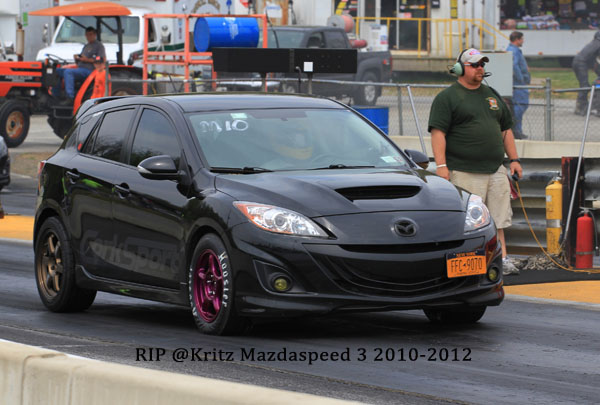
Our good friend and loyal Mazda enthusiast, Steve Kritzberg came out to Texas over the weekend to take part in the Texas Showdown (more on that later this week) and unfortunately, he was one of many who faced devastating losses during the events of the previous week including the loss of his car, wifeโ€™s car and damage to his home.

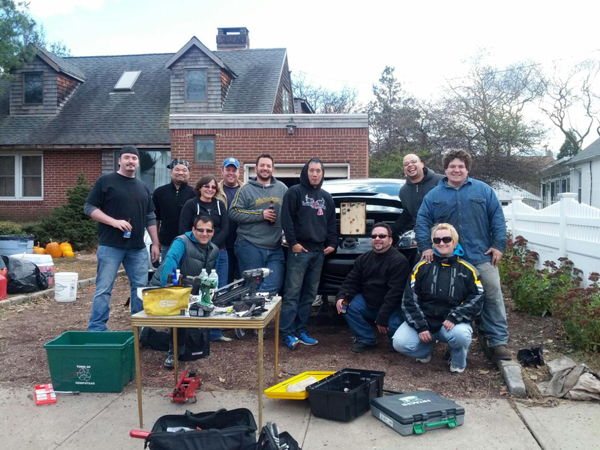
I was touched to hear how the Nator group and MSF have rallied to the cause and stepped in to help! Not only did they start a thread on MSF to collect donations for members affected, but over the weekend while Kritz was taking a moment to get his mind off matters back at the homestead, a crew of Nator members came out for an un-install day and helped to stock out his beautiful and now totaled speed3 and while they were there even helped to bail out a neighbors crawl space!

The response from the Mazda community to help members in need is truly touching and it is heartwarming to see how many are willing to help members of the community to recover.

CorkSport will be donating all proceeds from this yearโ€™s calendar to disaster relief for Sandy. Anyone else interested in contributing is encouraged to visit the thread on MSF and donate!

Gwynne-

Product Release! CorkSport 2010-2011 Mazda 3 LED Bumper DRL Set

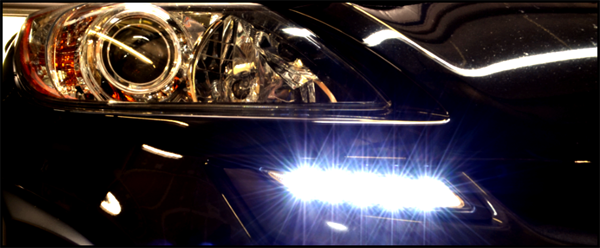
Ever wish your Mazda 3 came with daytime running lights? CorkSport has heard requests for a daytime running light solution many times. In response to this, we have come out with the all new CorkSport 2010-2011 Mazda 3 LED Bumper DRL Set.

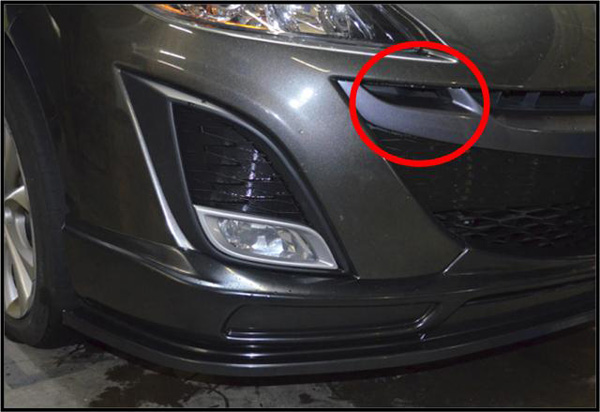
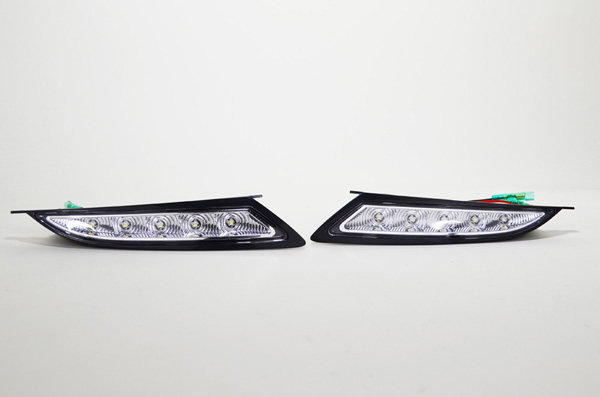
Designed to enhance the light output and look of your Mazda 3, the CorkSport Daytime Running Light LED Bumper Kit has been developed to fit seamlessly into your grille opening without any permanent modifications to your bumper.

A high quality lighting upgrade, the light housing is made from durable UV resistant clear plastic and includes five LED bulbs. The light output has been made to match CorkSportโ€™s other light kits in the 6000k color range, very white with a just a hint of blue.

As with all of our products, you can expect this kit to come with full color installation instructions, all of the needed installation hardware and of course, CorkSport customer service and support for a worry free purchase process.

The kit is available for 2010-2011 Mazda 3 models and can be purchased today at https://www.corksport.com

i-Activsense

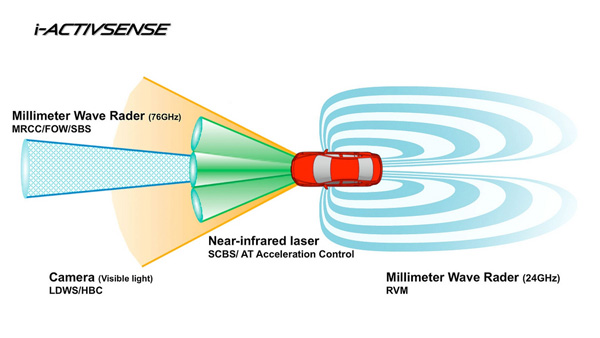
With the newly designed Mazda 6 launch on the horizon, Mazda has announced more new features that they will be incorporating into their newest models. โ€œi-Activsenseโ€ is an umbrella term Mazda is using to cover a series of new safety monitoring response system technologies designed to help the driver safely navigate the roads. Many have already been incorporated into the new CX-5.

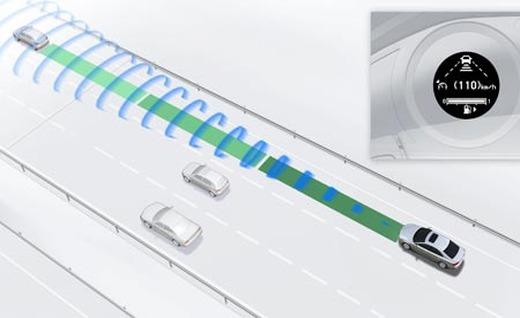
Radar Cruise Control

Judges the traveling speed distance to vehicles ahead and modifies the speed of your vehicle to maintain a safe following distance. This means no longer fussing with your cruise control on long trips every time you come up on some traffic!

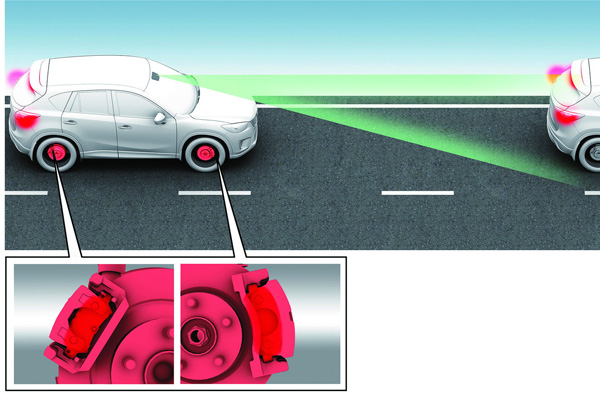
Smart City Brake Support

Already incorporated into the new CX-5โ€™s, this is designed to help drivers avoid frontal collisions. The system uses a laser sensor to detect a vehicle or obstacle in front of the car and automatically actives the brakes and reduces engine output if the driver fails to slow the vehicle appropriately.

Forward Obstruction Warning

Monitors the gap between vehicles and the closing speed and then calculates the risk of collision occurring if the driver were to take no action. This ensures a faster response when the driver actives the brakes.

High Beam Control

Ever get so tired of turning your high-beams on and off on the highway at night that you just decide to leave them off? Well this smart high beam control system will take care of that for you! The high beam control will detect oncoming traffic and will automatically switch headlights between high and low beam, improving visibility at night and aiding hazard avoidance.

Lane Departure Warning System

When the system is switched on, a camera on the widescreen will monitor the position of the white lane markings at speed of 65MPH or higher to detect risk of an unintentional lane change and then will alert the driver with a rumble sound when moving out of their lane without indicating.

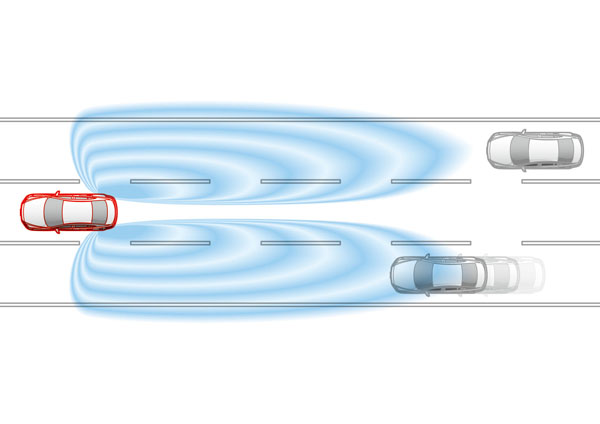
Rear Vehicle Monitoring

A smart solution to aiding a driver with their โ€œblind spotโ€, the rear vehicle monitoring system will activate an indicator light in the door mirror for a driver making a lane change when a vehicle is approaching quickly behind the car and to warn the driver either if the vehicle might be invisible (in the blind spot) on the side or if a vehicle will approach within 5 seconds. The system will monitor both sides of the vehicle and indicate when intending to overtake or be overtaken.

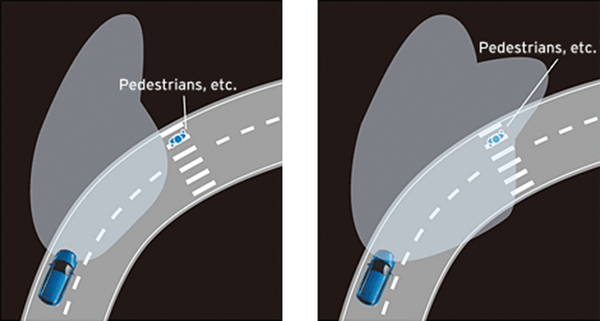
Adaptive front lighting

The new AFS system automatically adjusts the angle of a vehicles headlight according to steering direction so when you are cornering or approaching intersections at night, the beam of the headlights illuminate the path the car is actually following.

While none of this new technology is groundbreaking, it is great that they are being incorporated into Mazdas line-up providing they have the flexibly to be turned on and off as needed. Some of them could potentially have a few drawbacks if not implemented properly, but I trust Mazda to incorporate these features in a smart and sensible way so that the driving experience is enhanced rather than hindered.

Gwynne-

The Inner Workings of the CorkSport Oil Catch Can

Since the release of our Oil Catch Can we have had a lot of questions about how our set-up functions. Most understand the basics of what the OCC does, but want to know more about how the OCC does it.

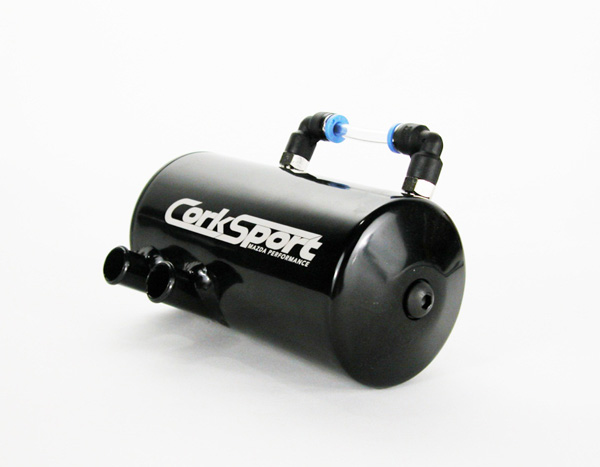
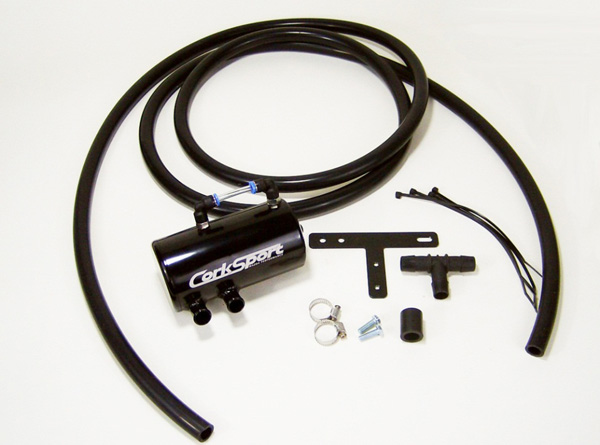
CorkSport Oil Catch Can

The Basics

For the last 20 or so years, all cars have had some sort of PCV system installed to re-burn unwanted vapors from your crankcase instead of venting them to the outside world. This system is based on a vacuum. When the engine is running, the pistons are happily moving up and down. There is a small amount of compression that is lost into the crankcase passing by the rings. This excess air will cause pressure in the crankcase to slow down the pistons from going up and down and build up oil vapors that create frothing of the oil. There are also small amounts of condensation that get trapped in the crankcase and you donโ€™t have to be a rocket scientist to know water and oil donโ€™t mix.

An oil catch can is designed to “catch” unwanted vapors that are in your crankcase and PCV system and prevent these contaminants from entering your motor. With no catch can install, you have the potential to get build-up in the intake manifold causing dirty valves and poor compression.

CorkSport Mazda Oil Catch Can

How the Mazdaspeed 3 PCV System Works

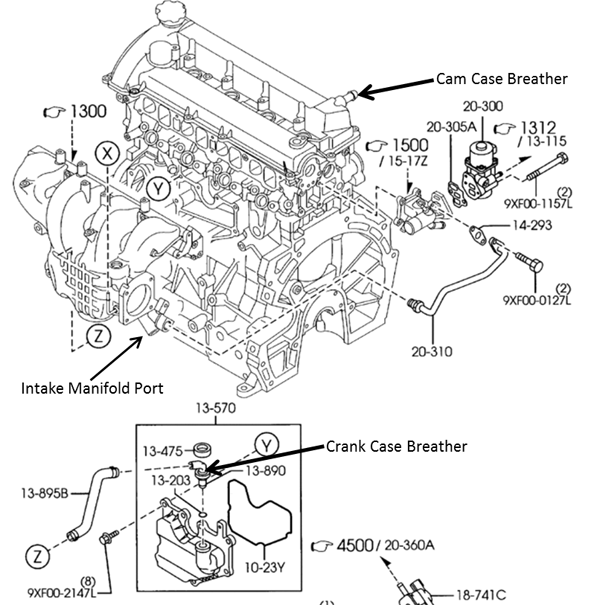
A Mazdaspeed 3 has two PCV lines. One goes from the cam cover to the intake and one goes from the crankcase to the intake manifold. Why the two locations you ask? Well, they go to the closest vacuum source, but in a turbo car, you will not have a vacuum when you are in boost so a check valve closes and stops the crankcase from being pressurized and boost being lost.

Diagram of how the oil catch can works

Improving the Design of the CorkSport OCC

Most Oil Catch Cans include a PCV valve in the set-up for turbo vehicles, as ours did until just recently. So why does CorkSport no longer have a Check Valve on our Oil Catch Can setup? This is a great question.

We noticed that by adding the PCV check valve to the oil catch can, the OCC worked less effectively because when the check valve closes (the car is under boost) the catch can is no longer able to do the same job of โ€œcatchingโ€ the vapors. When your car is under boost is the time the catch can is working the hardest to prevent those contaminants from entering your engine. Instead, it is just sitting there waiting for the PCV valve to open back up.

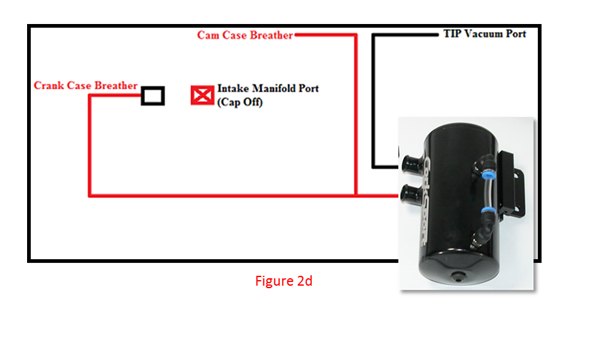
We decided to cap the intake manifold and pull the vacuum through the intake so both cam and crankcase vapors are trapped in the OCC leaving your motor the cleanest it can be. Now, the CorkSport Catch Can will be working to eliminate those vapors all of the time without the restriction of a PCV valve to prevent it from being able to remove contaminants while your car is under boost.

Simple diagram of the Mazda oil catchcan

So why not cap the intake and the intake manifold and have it vent to atmosphere?

There are several reasons this is a bad idea and being friendly to mother nature is only one of them. Yes, you might sleep at night better knowing you are not hurting the environment but this is not the only reason to plumb the catch can back into the intake.

1. The intake vacuum helps draw vapors out of the motor by creating a low-pressure system to force the vapors out. Without the vacuum, the vapors can only be forced out by the pressure in the crankcase. This is unreliable and inefficient. Think of how much easier it is to get air into the motor under pressure (ie turbo). It only makes sense that the opposite would be true about getting it out and it would be much easier to achieve under vacuum.

2. Metered air passes through the MAF sensor before entering the engine, then a small amount is passed by the rings and enters back into the intake or intake manifold. If you do not route the PCV back into the intake manifold then that calculated air is โ€œpoofโ€ let out into space causing your fuel trims to be off.

If you think you can tune around this, you are correct. As the rings degrade, you will have a small amount of additional air passing by the rings. Time to re-tune. The rings degrade some more, then time to re-tune again. I think you get the picture. Eventually, you forget to keep up on this and your fueling is off enough to cause a check engine light or worse. Zoom-Zoom-Boom!

This is the nature of a MAF-sensored car. There is a good reason that Mazda has everything hooked back up to the intake. Your car will be happier, in the long run, doing this.

Stay up-to-date on the latest news and product updates from CorkSport.

* indicates required